As BIM becomes a shared foundation for design, construction, and operations, security concerns extend well beyond system access or file protection. In practice, BIM security is a governance problem shaped by multi-party collaboration, fragmented responsibility, and long project lifecycles.
Most BIM security strategies today rely on a combination of broadly accepted controls, including:
- Governance and ownership: defining model authority, responsibilities, and decision rights
- Access control: role-based permissions, least-privilege principles, and offboarding processes
- Operational discipline: controlled sharing, export approval, and version management
- Legal and compliance alignment: contractual clarity, auditability, and record retention
- Third-party and platform risk: external collaborators, cloud services, and AI-enabled tools
- Data interoperability risk: model exchanges, metadata leakage, and loss of embedded controls
These measures remain essential and form the baseline for any BIM security program. However, they tend to operate within individual systems or organizational boundaries. When BIM workflows span multiple firms with uneven authority and trust, gaps often emerge that governance alone struggles to close.
Introduce Blockchain: integrity, traceability, and shared trust
Blockchain enters the BIM security discussion through its ability to establish shared, tamper-resistant records across organizational boundaries. Its value lies in creating a durable, collectively maintained record of key actions tied to BIM models.
In practice, blockchain is used to register:
- Model version fingerprints that uniquely reference a specific state
- Responsibility attribution for submissions, approvals, and releases
- Process evidence showing that agreed workflows were followed
Because these records are distributed across participating stakeholders, no single party controls the historical narrative. This reduces reliance on centralized logs and strengthens confidence when questions arise later, particularly in audits, claims, or long-running projects.
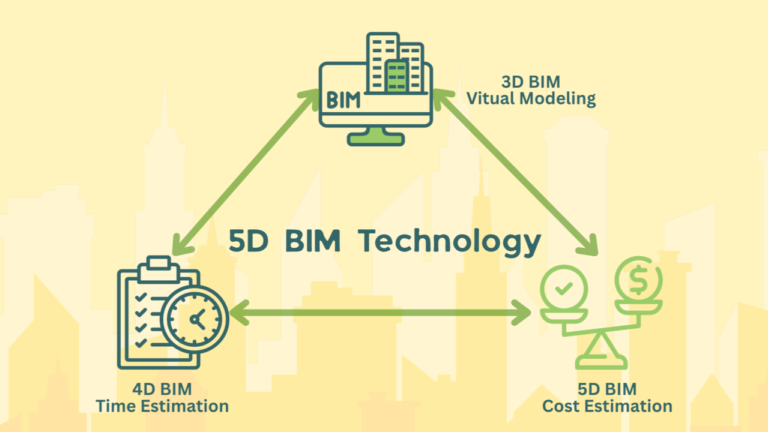
Recent work published in Scientific Reports proposes a BIM–blockchain integration framework that uses 5D BIM together with blockchain and smart contracts to support automated contract payments, treating the distributed ledger as a coordination and verification layer alongside existing BIM platforms and reinforcing traceability and accountability across project stakeholders.

A Framework for Smart Construction Contracts Using BIM and Blockchain (http://rdcu.be/eXFU1)
Integration with existing BIM platforms and workflows
Most blockchain-enabled BIM approaches are designed to fit into existing environments rather than reshape them. Model authoring, coordination, and access control continue to take place within established Common Data Environments.
Blockchain is introduced at specific decision points:
- Model storage remains off-chain within controlled repositories
- Key events such as submissions or approvals generate ledger entries
- Participating parties validate and retain a shared transaction history
- Verification remains possible long after files have moved or changed hands
This separation keeps operational workflows intact while adding a shared reference layer that spans organizational boundaries. Permissioned networks are typically used to align participation with contractual roles and confidentiality expectations.
From a governance perspective, this approach strengthens accountability without increasing exposure of sensitive design information.

Blockchain nodes. Image courtesy of Brickschain.
Security boundaries of blockchain in BIM workflows
Blockchain contributes to BIM security when applied with a clear and limited scope. It is most effective in reinforcing trust in collaborative processes, particularly where long timelines and multiple stakeholders make accountability difficult to maintain.
Several boundaries remain important:
- Selective recording: only essential metadata and fingerprints belong on the ledger
- External controls: access management and export discipline remain critical off chain
- Process dependency: recorded actions reflect human and organizational decisions
When positioned this way, blockchain complements established BIM security practices by addressing a specific structural gap: maintaining a shared, reliable record of responsibility over time. Its value comes from strengthening confidence in collaboration, rather than attempting to replace existing platforms or governance models.
Interested in our practice? Let’s connect and discuss your project!
Contact us: genx@genxdt.com; 1(201)-500-7534