Building Information Modeling (BIM)

What are the Advantages of using Modular Construction?

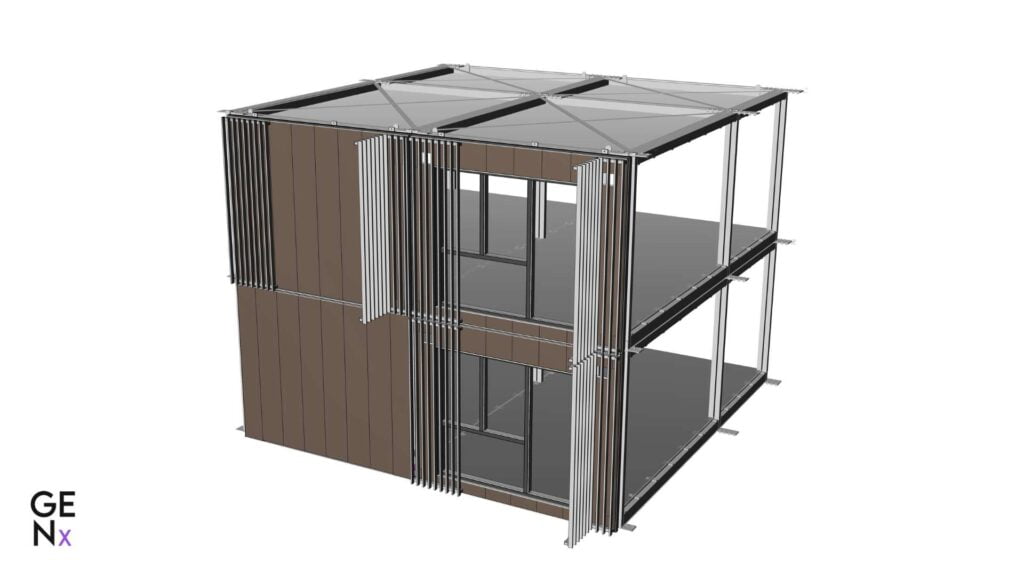
View All Blogs What are the Advantages of using Modular Construction? Introduction:In the realm of construction, innovation is the key to unlocking new possibilities and reshaping the built environment. One such innovation that is revolutionizing the industry is modular construction. This cutting-edge approach, exemplified by projects like the Modular Treehouse Hotel in Sunnyvale, California, represents a paradigm shift in how buildings are designed, fabricated, and assembled. Advantages of Modular Construction: Speed and Efficiency:Modular construction offers unparalleled speed and efficiency compared to traditional building methods. As demonstrated by the Modular Treehouse Hotel project, prefabricating modules off-site allows for concurrent construction activities, drastically reducing project timelines. With components manufactured in controlled factory environments, delays due to weather conditions or material shortages are virtually eliminated. FullStack Modular showcased how advanced modeling tools and techniques expedite the fabrication process, resulting in swift project completion. By streamlining design coordination and construction sequencing, modular construction maximizes efficiency at every stage of the project. Quality Assurance:Quality is paramount in construction, and modular building techniques offer superior quality control compared to conventional methods. With modules fabricated in factory settings under strict quality standards, consistency and precision are guaranteed. Advanced modeling and documentation, such as the 2D shop drawings and 3D fabrication documents provided by GENx, ensure that every component meets exact specifications, minimizing errors and defects. Sustainability:In an era of increasing environmental consciousness, sustainability has become a top priority in construction. Modular construction aligns perfectly with this ethos, boasting a significantly reduced carbon footprint compared to traditional building methods. With minimal waste and efficient use of materials, projects like the Treehouse Hotel exemplify how modular construction can contribute to a greener, more sustainable future. Cost-Effectiveness:Contrary to common misconceptions, modular construction offers compelling cost advantages over traditional building techniques. While initial investment may be slightly higher, the overall cost-effectiveness of modular construction becomes evident in reduced labor costs, faster project delivery, and minimized on-site disruptions. Flexibility and Customization:Despite its streamlined approach, modular construction allows for a high degree of flexibility and customization. From design coordination to fabrication and assembly, projects can be tailored to meet specific requirements and preferences. GENx’s role in the Treehouse Hotel project exemplifies how modular construction enables seamless integration of custom elements, from metal facades to glazing and secondary structural components.   Conclusion: The rise of modular construction represents a seismic shift in the construction industry, offering unparalleled speed, quality, sustainability, and cost-effectiveness. As exemplified by projects like the Modular Treehouse Hotel, modular construction is not just a trend but a transformative force shaping the future of architecture and construction. With its myriad advantages, modular building is poised to revolutionize the way we build, creating a more efficient, sustainable, and resilient built environment for generations to come.   Previous Post Most Recent Posts All Post Building Information Modeling (BIM) DFMA Virtual Design & Contruction What are the Advantages of using Modular Construction? Digitalization In The Construction Sector What Is a Facade on A Commercial Building? Categories Building Information Modeling (BIM) (5) DFMA (4) Virtual Design & Contruction (2) Services Virtual Design & Construction – VDC Design For Manufacturing & Assembly – DFMA Research & Development – R&D Consulting

What are the Advantages of using Modular Construction? Read More »

What is the difference between BIM and VDC?

View All Blogs The Transformative Power of BIM and VDC in Construction The Transformative Power of BIM and VDC in Construction In today’s rapidly evolving construction industry, innovative technologies are essential for streamlining processes and optimizing project outcomes. Building Information Modeling (BIM) and Virtual Design and Construction (VDC) are two innovations that have proven game changers concerning efficiency, collaboration, and cost savings. This article examines their definitions, applications, benefits, implementation, critical differences between BIM and VDC, and synergistic advantages for maximum project success. What is BIM? Building Information Modeling (BIM) is a digital representation of buildings or infrastructure projects’ physical and functional characteristics. It includes creating virtual models with 3D geometry and additional details about components and systems within them. BIM goes beyond simple 3D modeling by including additional information like material specifications, cost estimates, scheduling news, and energy consumption analyses into its digital representation. This process allows project stakeholders, including architects, engineers, contractors, and owners, to collaborate and share information throughout the lifecycle of a project. This collaborative approach fosters better decision-making, reducing errors and conflicts and increasing project efficiency. What is VDC? Virtual Design and Construction (VDC) is an integrated approach that utilizes advanced technologies and construction management principles to maximize project delivery. VDC extends the benefits of BIM by applying it directly to construction phases, using 4D time and 5D cost models for managing these phases through sequencing, scheduling, estimating, and visual management of this process. VDC goes beyond BIM’s static representation by including dynamic elements of construction. It allows stakeholders to simulate and optimize construction sequences, identifies potential clashes or interferences, and generates accurate project schedules and cost estimates. Virtual design and construction also facilitate integration with advanced technologies like AR/VR for enhanced visualization and collaboration. Previous Post Most Recent Posts All Post Building Information Modeling (BIM) DFMA Virtual Design & Contruction What is the difference between BIM and VDC? How is BIM Connected with Blockchain? What is Facade in Architecture? Categories Building Information Modeling (BIM) (4) DFMA (2) Virtual Design & Contruction (1) Services Virtual Design & Construction – VDC Design For Manufacturing & Assembly – DFMA Research & Development – R&D Consulting

What is the difference between BIM and VDC? Read More »

How is BIM Connected with Blockchain?

View All Blogs What is BIM? Building Information Modeling (BIM) is a digital representation of a building or infrastructure’s physical and functional characteristics. It goes beyond traditional 2D drawings by incorporating three-dimensional (3D) modeling, data management, and collaborative processes. BIM allows stakeholders to collaborate in a virtual environment, sharing and accessing information throughout the project lifecycle. BIM encompasses a wide range of data, including geometry, spatial relationships, building components, materials, quantities, and performance attributes. This information is stored in a centralized model serving as a single truth source for all project-related data. BIM facilitates better visualization, analysis, and optimization of construction projects, enabling stakeholders to make informed decisions and identify potential issues before they occur. What is Blockchain? Blockchain is a distributed and decentralized ledger technology that provides a secure and transparent way to record and verify transactions and data. Initially introduced as the underlying technology for cryptocurrencies like Bitcoin, its potential applications extend beyond the financial sector. Unlike traditional centralized databases where data is stored on a single server, blockchain distributes data across a network of computers, known as nodes. Each transaction or data entry is grouped into a block containing a unique identifier, a timestamp, and a reference to the previous block. Once a block is added to the chain, it becomes virtually impossible to alter or tamper with its information. How Does Blockchain Relate to Construction? The complex construction industry involves numerous stakeholders, including owners, architects, engineers, contractors, suppliers, and regulators. The exchange of data and information among these parties often leads to inefficiencies, disputes, and data consistency. Blockchain technology addresses these challenges by providing a trusted and immutable record of transactions, interactions, and data changes. 1. Secure Collaboration: Blockchain enables secure and transparent collaboration among stakeholders by providing a shared platform for data exchange. It ensures all parties can access the same information, reducing misunderstandings, conflicts, and delays. 2. Data Sharing and Transparency: Blockchain allows for the secure sharing of BIM models, project documentation, and other construction-related data across multiple parties. It promotes transparency by providing an audit trail of all changes and interactions, ensuring accountability and trust. 3. Enhanced Data Integrity: BIM models consist of vast amounts of data from stakeholders throughout the project lifecycle. Maintaining data integrity is crucial to ensure accurate decision-making. Blockchain’s decentralized and tamper-resistant nature helps preserve the integrity of BIM data by recording all changes, approvals, and interactions on the blockchain. This ensures that the data remains transparent, auditable, and accountable. 4. Traceability: By leveraging blockchain’s immutable nature, stakeholders can track the evolution of a project, from design to construction and maintenance. Each change or update to the BIM model is recorded on the blockchain, allowing for a comprehensive project history and enabling the traceability of decisions and actions. Smart Contracts and Automation One of the key features of blockchain is the ability to implement smart contracts. Smart contracts are self-executing agreements with predefined rules encoded on the blockchain. These contracts can automatically trigger actions based on predefined conditions, such as payments, notifications, and approvals. Smart contracts can streamline and automate various processes, including: 1. Payment Automation: Smart contracts can automate payment processes based on predefined milestones or completion criteria. This eliminates manual paperwork, reduces payment delays, and improves cash flow management. 2. Progress Tracking: Project progress can be automatically tracked and verified by integrating BIM data with smart contracts. This gives stakeholders real-time visibility into the project’s status, ensuring transparency and accountability. 3. Quality Control: Smart contracts can incorporate quality control measures like predefined inspections and tests. When the specified criteria are met, the smart contract can automatically trigger approvals and subsequent actions. 4. Dispute Resolution: Smart contracts can also play a role in dispute resolution by providing an auditable and tamper-proof record of contractual agreements and transactions. In a dispute, the smart contract can serve as a transparent and objective source of information, reducing the need for lengthy legal processes. 5. Supply Chain Management: Blockchain-based smart contracts can streamline supply chain management in construction projects. By linking BIM data with smart contracts, stakeholders can automate procurement processes, ensuring the timely delivery of materials and equipment. Smart contracts can track the origin, quality, and movement of goods, reducing the risk of counterfeit or substandard materials entering the construction process. 6. Resource Optimization: Automation through smart contracts can optimize resource allocation and utilization. By tracking the progress of different project activities and triggering actions accordingly, smart contracts can help identify bottlenecks, delays, or underutilized resources. Challenges to Blockchain Implementation: Clearly define your project goals, identify obstacles, and establish an implementation and adoption strategy. 1. Industry Adoption: Integrating blockchain in the construction industry requires overcoming the industry’s traditional resistance to change and slow adoption of new technologies. Previous Post Most Recent Posts All Post Building Information Modeling (BIM) DFMA Virtual Design & Contruction How is BIM Connected with Blockchain? What is Facade in Architecture? Digitalization in the Construction Sector Categories Building Information Modeling (BIM) (3) DFMA (2) Virtual Design & Contruction (1) Services Virtual Design & Construction – VDC Design For Manufacturing & Assembly – DFMA Research & Development – R&D Consulting

How is BIM Connected with Blockchain? Read More »

BIM Benefits for Architects

View All Blogs Building Information Modeling (BIM) in the AEC Industry Revolutionizing the AEC Industry with Building Information Modeling (BIM) Architects, engineers, contractors, and landowners are experiencing a profound transformation in the architecture, engineering, and construction (AEC) industry, driven by the strategic adoption of Building Information Modeling (BIM). The utilization of BIM brings forth a myriad of advantages, including reduced project costs, accelerated delivery times, heightened productivity and quality, precise construction cost control, and enhanced predictability. Moreover, BIM opens the door to effective building lifecycle management. These transformative variables significantly impact project management, delivery, design, and construction processes. Understanding BIM for Architects Building Information Modeling (BIM) is an innovative design process employed by construction experts to breathe life into the conceptualization of a building or infrastructure project. Through detailed 3D representations, BIM showcases various building elevations that serve the project’s entire lifecycle, from initial planning to ongoing maintenance. While BIM revolutionizes the entire construction sector, architects, in particular, stand to gain immensely from its implementation. Key Advantages of Implementing BIM in Architecture a) Enhanced Communication and Collaboration Effective collaboration is paramount in construction projects, and BIM provides a shared digital model that fosters collaboration among stakeholders, including architects, engineers, contractors, and clients. This collaboration not only facilitates design and construction processes but also increases transparency by granting all stakeholders access to the same information. b) Improved Design Efficiency and Quality BIM empowers architects to optimize the design of various components with an unprecedented level of detail in terms of both practicality and aesthetics. Furthermore, it enhances a building’s performance concerning acoustics, thermal comfort, and energy efficiency. Architects can use BIM to model energy consumption, simulate diverse scenarios, and determine the most energy-efficient design. Prior to construction, BIM can be utilized to model acoustics and identify potential issues. c) Mitigating Risks and Reducing Costs in Future Projects BIM significantly reduces costs and risks in construction projects. It aids architects and contractors in identifying and mitigating risks before they escalate into problems during construction. By spotting potential conflicts between various systems and parts before construction begins, BIM minimizes the need for costly rework. This streamlined construction process not only reduces waste but also enhances safety. Empowering Architects: How BIM Drives Success Architects harness the power of BIM tools to document designs swiftly, surpassing the time required for manual creation of 2D diagrams. When architects create a wall in their BIM design, the software duplicates it seamlessly, providing a 3D graphic representation alongside essential cost and performance information. These specific details assist building experts in early energy-efficiency feature verification, enabling architects to refine designs efficiently while meeting client deadlines. Here are key benefits for architects using BIM: Preserving the Design: Concept architects can use BIM to monitor the design and ensure its integrity throughout the delivery process. The ability to review a 3D model significantly reduces the time spent verifying the adherence to the initial design concept. Reducing Errors: While BIM doesn’t eliminate the need for verification, it accelerates the process. Traditionally, verifying information for 8,000 doors on a schedule would be labor-intensive, but BIM allows for quicker and more confident checking. Detailing with Precision: BIM details are created in 2D, but the use of a 3D model allows for efficient detailing. The continuous comparison of details to the 3D design ensures collaboration and design protection throughout the detailing process. Enhanced Transparency: BIM fosters an environment where all stakeholders can ask pertinent questions, increasing design transparency and expediting design approval. Client Satisfaction: BIM tools empower architects to present various design options in 3D, allowing clients to visualize suggested changes and understand their impact on cost, schedule, and operational performance. BIM Software for Architecture As the AEC industry evolves, BIM software plays a pivotal role in improving access to information and collaboration within architecture projects. The digital twin of a building or project often begins with a 3D CAD model, and additional software can supplement this model with valuable information about building elements. Architects benefit by reducing data duplication, minimizing errors, and gaining richer insights through shared BIM projects. Simulation software, when used in conjunction with BIM models, captures more intricate details, facilitates building performance testing, and validates design decisions for clients and other project stakeholders. Conclusion The implementation of architectural BIM services brings a plethora of advantages, including enhanced collaboration and communication, reduced costs and risks, and improved design quality and efficiency. Architects and engineers can elevate their ability to design buildings that not only meet Previous Post Most Recent Posts All Post Building Information Modeling (BIM) DFMA BIM Benefits for Architects Design for Manufacturing (DFMA) process Is AutoCAD considered BIM? Categories Building Information Modeling (BIM) (2) DFMA (1) Services Virtual Design & Construction – VDC Design For Manufacturing & Assembly – DFMA Research & Development – R&D Consulting

BIM Benefits for Architects Read More »

Scroll to Top